
Mental Performance
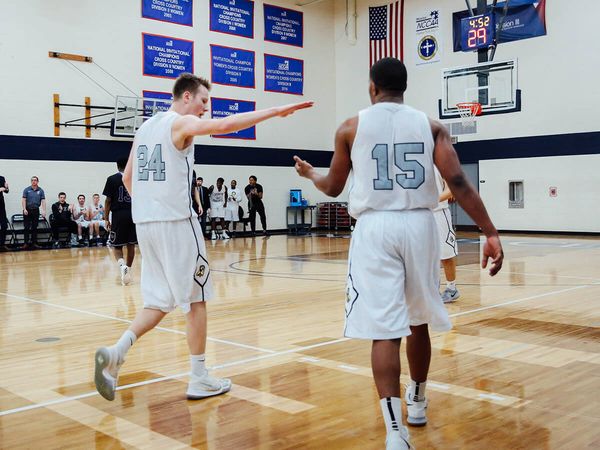
TRAIN THE MENTAL SIDE OF PERFORMANCE - SO YOU CAN EXECUTE WHEN IT COUNTS
You’ve put in the work physically.
This is about making sure your mind and body respond the way you want them to under pressure—so you can perform at your best and feel more steady, clear, and in control while doing it.
It’s about being able to trust your preparation when the moment comes, instead of getting pulled off track by tension, doubt, or overthinking.
And learning how to stay composed, adapt, and respond—no matter what the situation demands.

THE REALITY OF PERFORMANCE
You’re training, competing, and doing what it takes to improve.
But mentally, it doesn’t always translate:
- You overthink in key moments
- Your body tightens under pressure
- Confidence fluctuates
- Mistakes linger longer than they should
- It’s hard to fully switch off after
Over time, it becomes mentally draining—where stress and pressure start to take more out of you than they should. This isn’t a lack of discipline. It’s how your system responds to pressure—and how you relate to what’s happening in those moments.
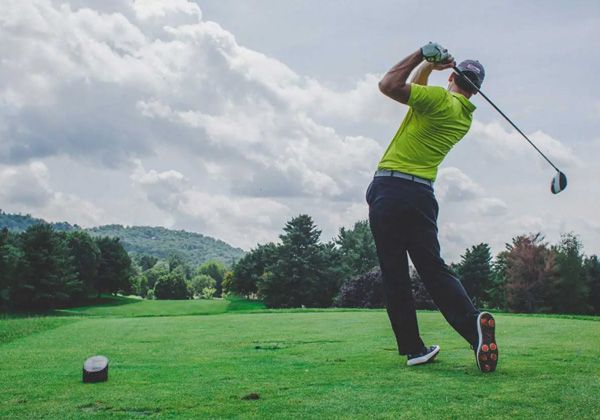
THE HIDDEN PERFORMANCE FACTOR: YOUR INTERNAL DIALOGUE
At higher levels, performance isn’t just physical. It’s shaped by how you think and respond in real time. The story running in your mind matters:
- How you talk to yourself after mistakes
- What you make pressure mean
- Where your focus goes under stress
For many athletes, the challenge isn’t effort— It’s that their internal voice becomes:
- Critical instead of constructive
- Reactive instead of steady
- Focused on outcomes instead of execution
Learning to recognize and shift these patterns is key to performing consistently—and feeling more confident and in control.
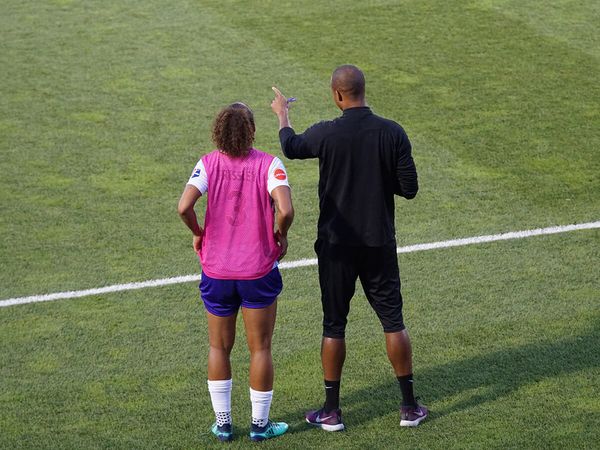
WHAT FEW ATHLETES ARE TRAINED TO DO
Most athletes are trained physically and tactically. Very few are trained in how to:
- Regulate their nervous system under pressure
- Work with stress instead of being driven by it
- Stay present instead of getting caught in thoughts
- Respond to mistakes without spiraling
- Recover mentally between performances
These aren’t just performance skills—they’re the same skills that support mental health, resilience, and overall wellbeing.
Without them, performance becomes inconsistent—and the mental side of the game starts to feel harder than it should.
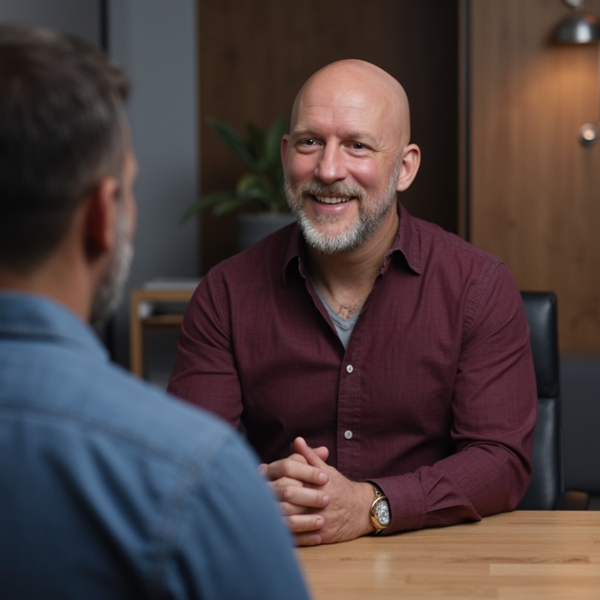
A DIFFERENT APPROACH TO MENTAL PERFORMANCE
This isn’t about hype or mindset tricks. It’s about training the skills that shape both performance and how you experience it:
- Awareness – noticing thoughts and patterns in real time
- Attention control – focusing on what matters
- Regulation – managing stress and tension
- Emotional control – working with pressure and frustration
- Reframing – shifting unhelpful thinking
- Recovery – resetting and switching off
You’re not trying to eliminate thoughts. You’re learning to:
- Work with your mind instead of against it
- Become a more effective internal coach
- Stay steady and clear under pressure
When these skills are developed, athletes don’t just perform better—they feel more balanced, less overwhelmed, and more in control in and out of sport.
HOW MY COACHING PROGRAMS WORK:
Every athlete and team is different.
This work supports both performance and the ability to manage pressure, stress, and recovery in a healthy, sustainable way.
1:1 Athlete Coaching
Focused sessions to work through:
- Performance challenges
- Pressure and anxiety
- Overthinking and internal dialogue
- Focus, consistency, and recovery
Team Training Programs
Sessions designed to help athletes:
- Build focus and attention
- Manage stress and pressure
- Improve communication and presence
- Develop a healthier, more effective performance mindset
Short-Term Intensives
4-8 week focused blocks for:
- Pre-season preparation
- In-season reset
- Performance or mental dips
Ongoing Support
To help athletes integrate these skills into training, competition, and everyday life.
EXPERIENCE AND BACKGROUND
I’ve spent over a decade coaching athletes and high performers in mindfulness-based performance and wellbeing.
My background includes:
- Former NCAA Division I ice hockey player
- NCAA ice hockey coaching experience (Division I & III)
- Certified in mPEAK (Mindful Performance Enhancement, Awareness & Knowledge)
My work is focused not just on helping athletes perform at a high level—but on developing the internal skills that support resilience, mental wellbeing, and a more balanced, sustainable experience of sport.

GET STARTED
If you’re looking to improve the mental side of performance in a practical, grounded way:
Book a Performance Assessment Call
We’ll look at:
- What’s currently getting in the way
- How pressure, stress, or thinking patterns may be impacting performance
- What kind of support would help you perform and feel more steady and consistent
No pressure—just a conversation.
